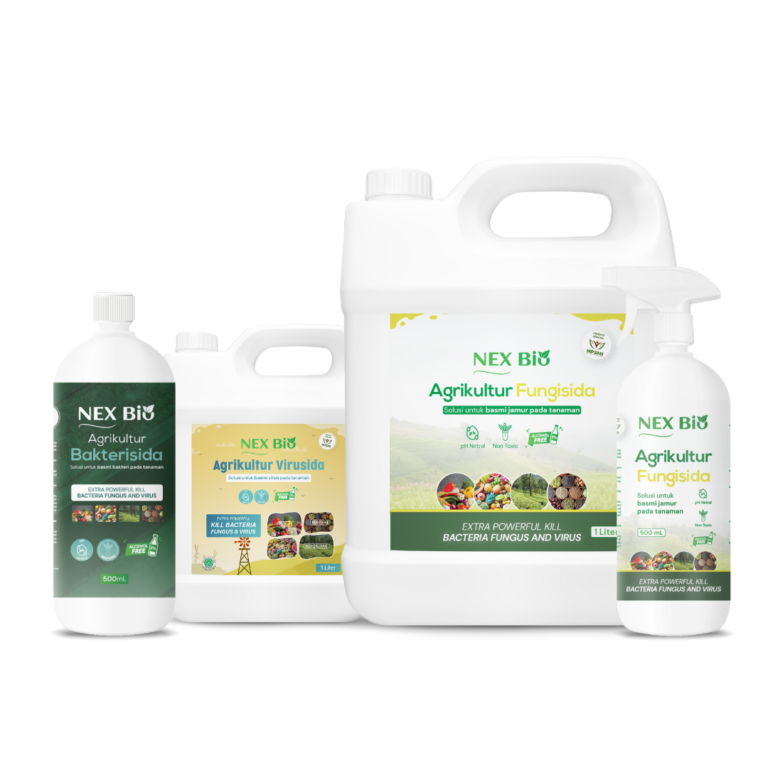
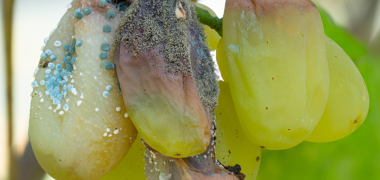
NEXBIO is a specialized pesticide designed to target a wide range of harmful microorganisms, including bacteria, viruses, and fungi. This pesticide works by containing active antimicrobial ingredients that can destroy and control the growth of these microorganisms. With its innovative formula, Nexbio can be used to protect plants, livestock, and even humans from infections and damage caused by pathogenic microorganisms, making it an effective solution in agriculture, livestock farming, and the health sector. This product helps enhance productivity and quality in agriculture while ensuring safety and sustainability.
Effective Protection
Plants Free From Various Diseases
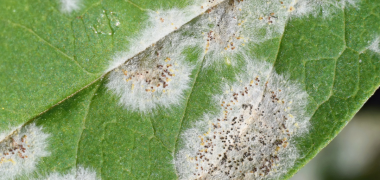
Fungal Diseases
Such as Mildew, Rust Disease, and Black Leaf Disease can be treated with Nexbio Pesticide. Nexbio Pesticide can kill fungal spores and prevent further development of infection.
Bacterical Diseases
Bacterical diseases such as bacterical wilt, bacterical rot and bacterical spot disease can be treated with bactericides from Nexbio. Nexbio can kill bacteria that cause plant diseases.
Viruses Diseases
Viruses in plants such as leaf mosaic and jaundice can be controlled with virucides from Nexbio. Nexbio virucide can reduce the reproduction and spread of viruses.
How to Use Nexbio Pesticide
Esterminates Disease in Plants
Spray 40 ppm (1 liter of Nexbio plus 10 liters of water) on leaf surfaces affected by disease (bacterical, viral, or fungal) in the morning and evening
Prevention of Disease in Plants
Spray regularly 5-10 ppm (1 liter of Nexbio added 80 liters of water), lower the concentration for long-term use so that the quality of the plants is maintained
Prevents Spoilage of Fruits and Vegetables by Fungi
Wash harvested fruits and vegetables with Nexbio Agro 30 ppm (1 liters Nexbio added 13 liters of water), soak for at least 10 minutes to maintain the freshness of fruits and vegetables
International Journal References
Ruiz-Cruz, S., et al, (2007). Efficacy of sanitizers in reducing escherichia coli O157:H7, salmonella spp. and listeria monocytogenes populations on fresh-cut carrots. Food Control, 18(11), 1383–1390.
Zhang, Y., et al, (2022). Inactivation of mixed escherichia coli O157:H7 biofilms on lettuce by bacteriophage in combination with slightly acidic hypochlorous water (SAHW) and mild heat treatment. Food Microbiology, 104, 104010.
Abbasi, P. A., & Lazarovits, G. (2006). Effect of acidic electrolyzed water on the viability of bacterial and fungal plant pathogens and on bacterial spot disease of tomato. Canadian Journal of Microbiology, 52(10), 915–923.
Musa, S. A., et al, (2022). Piper betel crude leaf extracts with HOCL (formulated by natural oxygenated water) as plant pathogenic fungi control. IOP Conference Series: Earth and Environmental Science, 1059(1), 012042.
Rodriguez, M. H., et al, (2018). Efficacy of electrolytically-derived disinfectant against dispersal of fusarium oxysporum and rhizoctonia solani in hydroponic tomatoes. Scientia Horticulturae, 234, 116–125.
Bonde, M. R., et al, (1999). Comparison of effects of acidic electrolyzed water and naocl on tilletia indica teliospore germination. Plant Disease, 83(7), 627–632.
Al-Haq, M. I., et al, (2001). Fungicidal effectiveness of electrolyzed oxidizing water on postharvest brown rot of peach. HortScience, 36(7), 1310–1314.
Al-Haq, M. I., et al, (2002). Disinfection effects of electrolyzed oxidizing water on suppressing fruit rot of pear caused by botryosphaeria berengeriana. Food Research International, 35(7), 657–664.
Bandte, M., et al, (2016). Plant viruses in irrigation water: Reduced dispersal of viruses using sensor-based disinfection. Irrigation Science, 34(3), 221–229.
Bandte, M., et al (2016). Plant viruses in irrigation water: Reduced dispersal of viruses using sensor-based disinfection. Irrigation Science, 34(3), 221–229